
Orofacial Myology
What is an Orofacial Myofunctional Disorder (OMD)?
Orofacial myofunctional disorders (OMDs) are abnormal movement patterns involving oral and orofacial musculature that interfere with normal growth and development of the muscles and bones of the face and mouth. OMDs may also interfere with how the muscles of the face and mouth are used for eating, talking, and breathing. OMDs can be found in children, adolescents, and adults (ASHA’s Practice Portal for Orofacial Myofunctional Disorders).
Click here to visit ASHA’s Practice Portal for Orofacial Myofunctional Disorders
We are pleased to offer treatment of OMDs for all ages as OMDs have a different impact on an individual’s quality of life based on the severity of the disorder and the time left untreated.
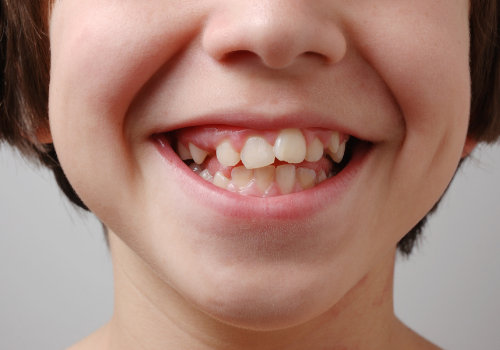
We are pleased to offer treatment of OMDs for all ages as OMDs have a different impact on an individual’s quality of life based on the severity of the disorder and the time left untreated.
The following are examples of untreated OMDs:
- Mouth breathing
- Snoring
- Sleep apnea
- Tongue thrust
- Swallowing difficulty
- Feeding difficulties
- Long facial growth
- Teeth grinding and/or clenching
- Jaw pain or jaw locking/popping
- Chronic tension
- Orthodontic relapse
- Crooked teeth
- Headaches
- Poor posture
- Tongue ties
- Speech errors
- Drooling
- Prolonged oral habits (thumb sucking, pacifier use, etc.)
Orofacial Myofunctional Evaluation and Treatment
An individualized treatment program will be designed following a comprehensive structural-functional assessment that may include an in-depth review of health history and symptoms, photographic documentation, measurements and assessment of breathing, oral rest posture, orofacial movement, chewing and swallowing patterns and speech. Referrals and recommendations to allied health professionals are made as deemed appropriate.
Goals of Treatment May Include:
- Eliminate detrimental oral habits
- Establish nasal breathing patterns
- Establish proper orofacial rest posture
- Establish appropriate chewing patterns by age
- Establish typical swallowing pattern
- Establish good head and neck posture
- Correct speech patterns
- Stabilize the dentition from extraneous orofacial muscle movement